Trixie
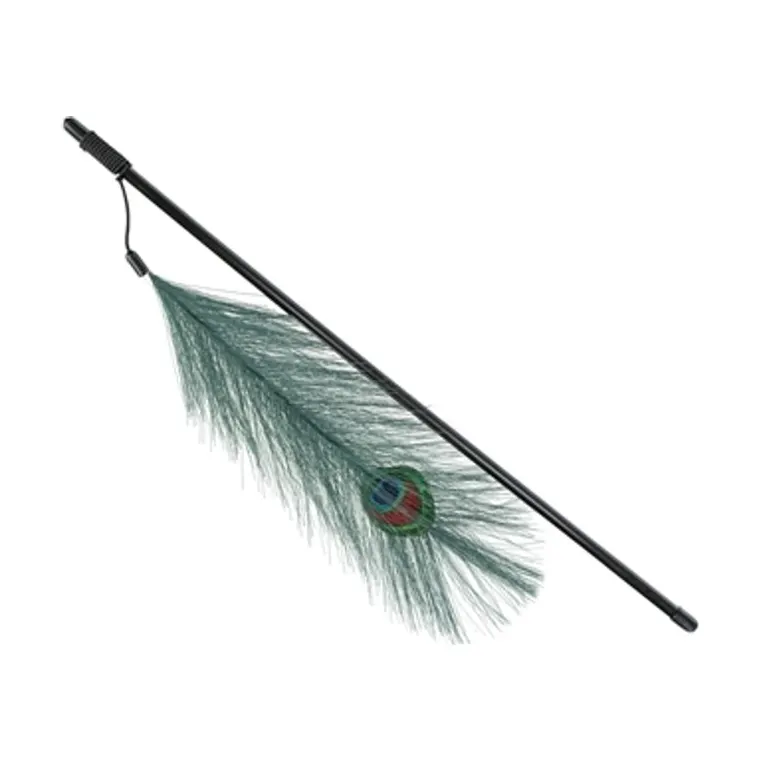
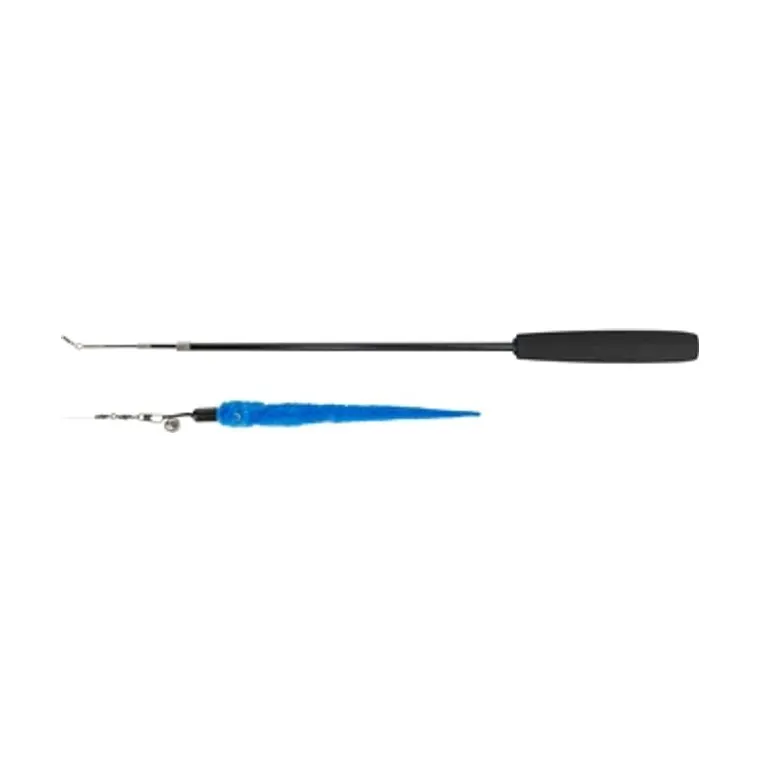
Trixie cat teaser wand extendable, assorted, 38-98 cm
In stock · 1 to 2 working days (NL) or 2 to 7 (EU)Buy 2: 5% off · 3 or more: 10% off€ 7.99
4 August 2026 · Awareness day
Saturday 8 August is International Cat Day, created by IFAW in 2002 and run by International Cat Care since 2020. Instead of another listicle of cat facts, here is what a 1,591-household study and the veterinary five-pillar framework say a good cat home looks like.
International Cat Day falls on 8 August every year, which in 2026 lands conveniently on a Saturday. The day was created in 2002 by the International Fund for Animal Welfare (IFAW), and in 2020 custodianship passed to International Cat Care, a British not-for-profit that has worked on the health and welfare of domestic cats since 1958. That handover matters more than it sounds: the day is now curated by an organisation whose output is veterinary guidance rather than marketing, which is a good excuse to treat 8 August as an annual audit of the cat's household rather than a photo opportunity. The rest of this article is that audit, built from two of the most useful pieces of research on what cats need from the homes they live in.
If any continent has standing to celebrate, it is this one. FEDIAF, the European pet food federation whose annual figures are the standard reference for the market, counts 306 million pets across 140 million European households in its latest published statistics, meaning 49% of households keep at least one animal. Within that total, cats have held the lead over dogs for years: an earlier edition of the same report counted around 127 million cats living in 26% of households against 104 million dogs in 25%, and the ranking has not flipped since. A large share of those cats live entirely indoors, in flats their territory begins and ends in, which is exactly why the research below focuses on what happens inside the home.
The most direct recent evidence on cats and play comes from a 2023 study in the journal Animal Welfare with a title that gives away its conclusion: "Cats just want to have fun: Associations between play and welfare in domestic cats." Julia Henning and colleagues surveyed 1,591 cat guardians across 55 countries and found that higher cat playfulness scores and a greater number of games played were significantly associated with higher quality-of-life scores for the cat. Longer daily play, more games, and play initiated by both cat and guardian were all associated with stronger cat-guardian relationships, and guardians reported behavioural changes associated with distress in cats when play was absent. One finding worth reading carefully: in this sample, exclusively indoor housing was associated with higher quality-of-life and relationship scores compared with outdoor access: an association in survey data, not an instruction, but a useful corrective to the assumption that an indoor cat is by definition a deprived one. The study measures associations rather than causes; what it supports is the modest claim that play is not decoration in a cat's life.
The framework veterinary behaviourists actually use for this audit was published back in 2013 in the Journal of Feline Medicine and Surgery, as the joint environmental-needs guidelines of the American Association of Feline Practitioners and the International Society of Feline Medicine. Sarah Ellis and co-authors organised a cat's environmental needs into five pillars: a safe place to retreat to; multiple, separated key resources (food, water, litter trays and resting places, spread out rather than clustered); the opportunity for play and predatory behaviour; positive, consistent and predictable human-cat interaction; and an environment that respects the importance of the cat's sense of smell. The guidelines' point is that meeting these needs reduces stress and stress-related disease, and that they apply to every pet cat regardless of lifestyle. Read as a checklist, most homes fail on the quiet ones: the safe place that is actually a busy hallway, the water bowl touching the food bowl, the single scratching surface for a behaviour the cat needs to perform daily.
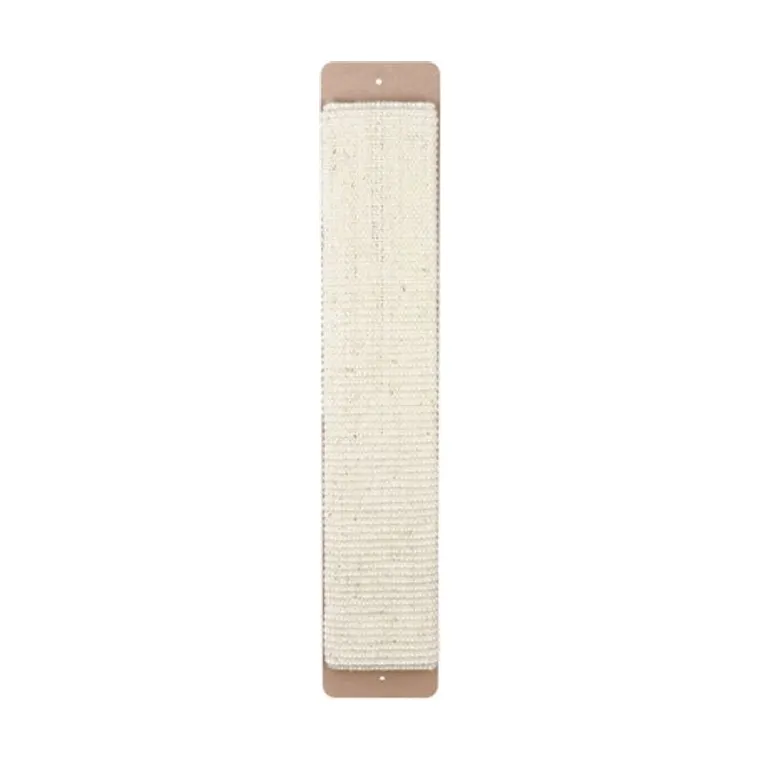
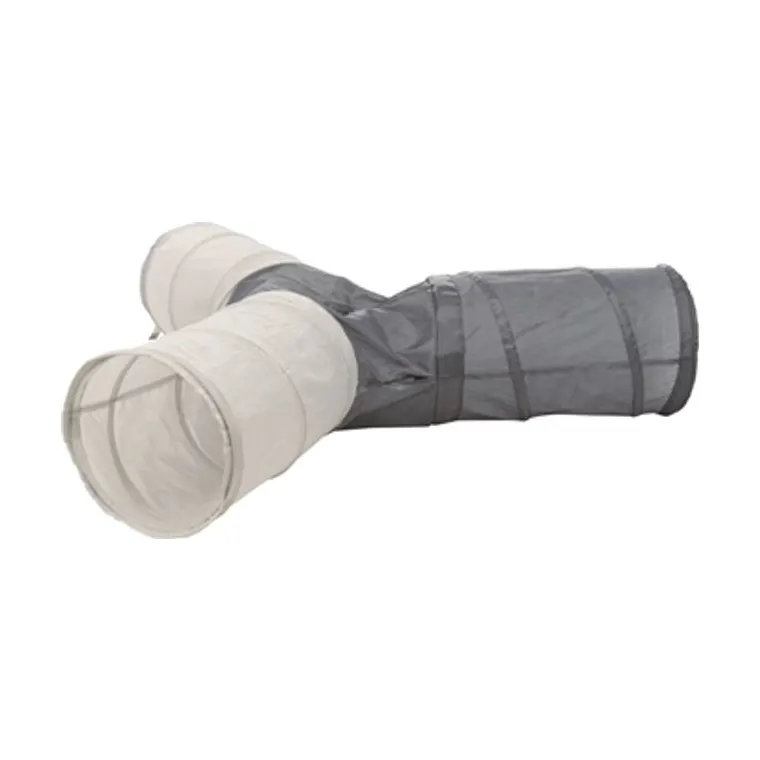
Put the two pieces of research together and 8 August writes its own to-do list. Schedule play instead of waiting for it to happen: short, frequent sessions beat one long one, and a wand moved like prey: erratic, along the ground, disappearing behind furniture: will beat any toy left lying on the floor, because the movement is the point. Walk the five pillars: is there a retreat the cat is never disturbed in, are food, water and litter separated, is there a sturdy scratching surface the cat actually uses, and does the routine include predictable, cat-initiated contact? Add one new thing to the territory rather than five; a tunnel or a new scratching surface changes a room from the cat's perspective more than a basket of unused toys does. And treat behaviour change as information: a cat that stops playing, hides more or eats less is communicating, and the right response to a sustained change is a vet, not a new toy. This article is general guidance, not veterinary advice.
Saturday 8 August 2026, as every year. The day was created in 2002 by the International Fund for Animal Welfare, and since 2020 it has been run by International Cat Care, a British cat-welfare charity founded in 1958.
There is no single prescribed number of minutes. A 2023 survey of 1,591 cat guardians published in Animal Welfare found that more games, longer daily play and higher playfulness were associated with higher quality-of-life and relationship scores, and that guardians reported signs of distress when play was absent. In practice, short, frequent prey-like sessions work better than one long one. If your cat's behaviour changes for more than a few days, see a vet: that is a health question, not a play question.
By population, yes. FEDIAF's figures have consistently put cats ahead: an earlier edition of its annual report counted around 127 million cats in 26% of European households against 104 million dogs in 25%, and its latest statistics count 306 million pets overall across 140 million households.