Rosewood
Rosewood oval dog bed Jumbo Cord, grey/cream, 81.5 cm
In stock · 1 to 2 working days (NL) or 2 to 7 (EU)Buy 2: 5% off · 3 or more: 10% off€ 57.75
30 July 2026 · Cost of ownership
Charities and regulators now publish hard figures: a minimum of £69 to £116 a month for a dog, £79 for a cat, €710 to €1,270 a year in the Netherlands, and UK vet prices up 63% in eight years. Here is the breakdown to budget from before you commit.
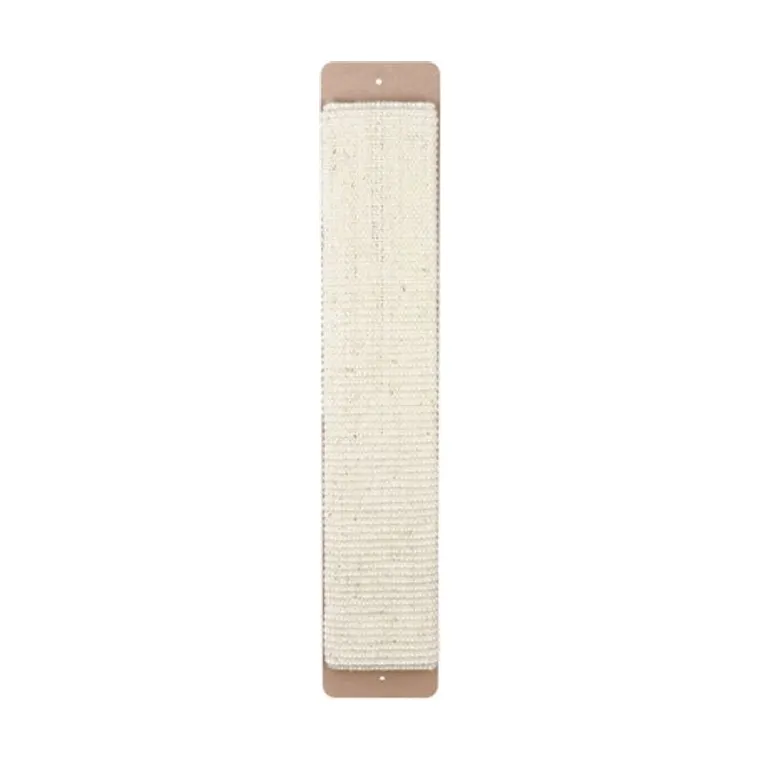
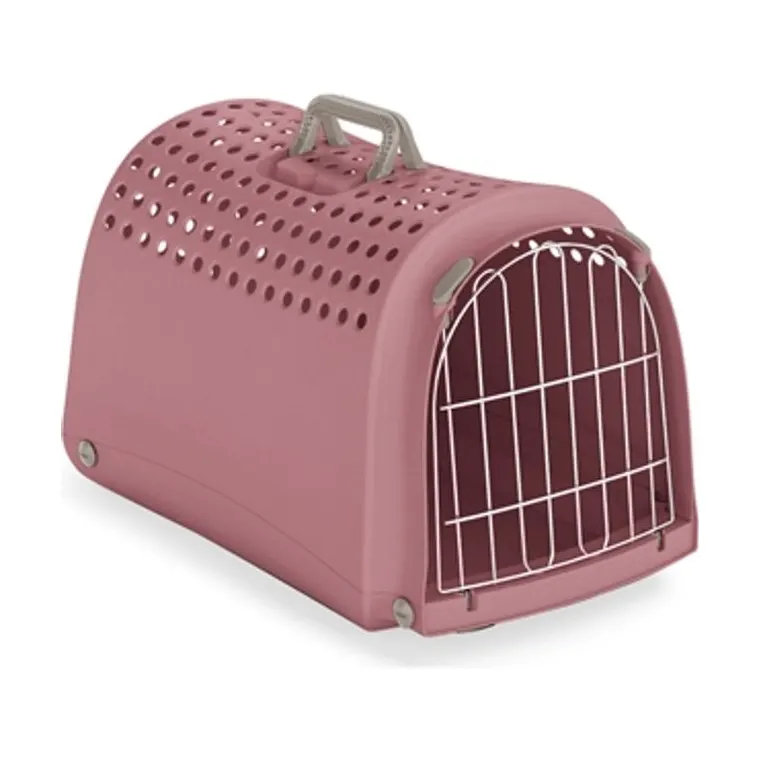
The cheapest day of pet ownership is never day one. PDSA, the UK veterinary charity, prices the minimum starter kit for a dog (bed, lead, collar and tag, food and water bowls, toothbrush and toothpaste, grooming brush, toys, a car restraint, the first course of vaccinations, wormers and neutering) at £415 for a small breed, £531 for a medium breed and £560 for a large one, with the purchase price of the dog itself excluded. For a cat, the equivalent list of bed, bowls, microchip, first vaccinations, neutering, a scratching post or cat tower, two litter trays with litter and scoops, toys, a brush and a carrier comes to roughly £366. The Dutch information centre LICG lands in a similar place in euros: outside the animal's purchase price it budgets €525 of one-off costs for a dog, including a car crate and one training course, and €415 for a cat, including neutering, a scratching post, two litter trays and a carrier. Add the animal and LICG's 2025 totals run from €945 for an adult shelter dog to €2,025 for a pedigree puppy, and from €595 for a cat from a Dutch shelter to €1,565 for a pedigree cat.
PDSA puts the minimum monthly cost of keeping a dog, covering yearly health checks and boosters, flea and worm treatment, insurance, food, toys and poo bags, at £69 for a small dog, £83 for a medium one and £116 for a large one, against £79 a month for a cat. The Dutch numbers look strange next to that until you read the method: LICG budgets €710 a year for a dog, about €59 a month, and €1,270 a year for a cat, about €106 a month. Cats are not really pricier than dogs in the Netherlands; the calculations differ. LICG's dog budget assumes dry food only, while its cat budget deliberately assumes a mix of wet and dry food, because wet food raises water intake and cats naturally drink too little, and then adds cat litter on top. Neither Dutch figure includes insurance, which PDSA's monthly numbers do. The useful conclusion is not which country is cheaper but which lines dominate: food and litter are the recurring bill, so what you feed and how big the animal is decide your monthly total far more than any accessory does.
Multiplied out over a life, PDSA's minimums are sobering. A small dog costs at least £6,200 to £12,000, a medium dog at least £9,000 to £14,000 and a large dog at least £8,200 to £18,800, based on published UK life expectancy ranges of 7.1 to 14.2 years for small breeds, 8.4 to 13.5 for medium and 5.5 to 13.1 for large. A cat comes to at least £11,400 to £13,600 across an assumed 11.7 to 14 years. Note the grim arithmetic hiding in the dog figures: the large-breed range starts lower than the medium-breed range because large dogs have shorter life expectancy, so there are fewer years to multiply. And these are floors, not forecasts. PDSA calculated them in 2024 using online prices, and they exclude the purchase price of the animal, vet fees if it becomes ill or injured, prescription diets, boarding and day care, professional grooming and training classes. If your lifestyle needs any of those, they are additions on top of a number that is already five figures for most cats and many dogs.
The reason pet budgets keep breaking is not toys or beds. On 24 March 2026 the UK Competition and Markets Authority published the final report of what it called the most extensive review of veterinary services in the UK in generations, and the price data explains the squeeze: average prices of veterinary services grew by 63% between January 2016 and December 2023, against 32% for general services inflation over the same period, while average first-year treatment expenses rose 53%. The sector is worth over £6.7 billion and serves the 60% of UK households, 17.2 million of them, that owned a pet in 2024. The remedies are aimed squarely at what owners can see: mandatory comprehensive price lists for standard services and the most commonly sold parasiticides, transparency about which large group owns a practice, comparison information through the RCVS Find a Vet service, written estimates for treatment above £500, and caps on written prescription fees of £21 for the first medicine and £12.50 for each additional one, after the CMA found owners could save more than £200 a year buying long-term medication online. The orders are to be finalised by 23 September 2026, with most remedies following within three to twelve months. None of it binds a vet in Amsterdam or Madrid, but the habits transfer anywhere: ask for a written estimate before treatment starts, ask for a written prescription for long-term medication, and compare prices before you need to.
The Association of British Insurers' latest figures, covering 2024, give a sense of the scale of unplanned costs: members paid out a record £1.23 billion in pet insurance claims, up 4% on 2023 and 103% higher than a decade earlier, across 1.8 million claims, roughly 4,900 a day, at an average of £685 per claim. Dogs accounted for £933 million of that, cats £232 million and other pets £61 million, and a record 4.6 million pet owners held a policy, up 3% year on year and 33% above pre-pandemic 2019. The everyday prices behind those claims are modest by comparison and still add up fast: LICG reckons a standard weekday daytime consultation in the Netherlands costs at least €50 on average, rising to roughly €150 to €200 in the evening or at the weekend, before any tests or medication, and warns that unforeseen costs quickly run into the hundreds or thousands of euros. Whether insurance or a dedicated savings pot is the better answer depends on your finances and your animal's breed and age, and if you insure, the details that matter are the deductible and the exclusions. The one genuinely expensive choice is doing neither.
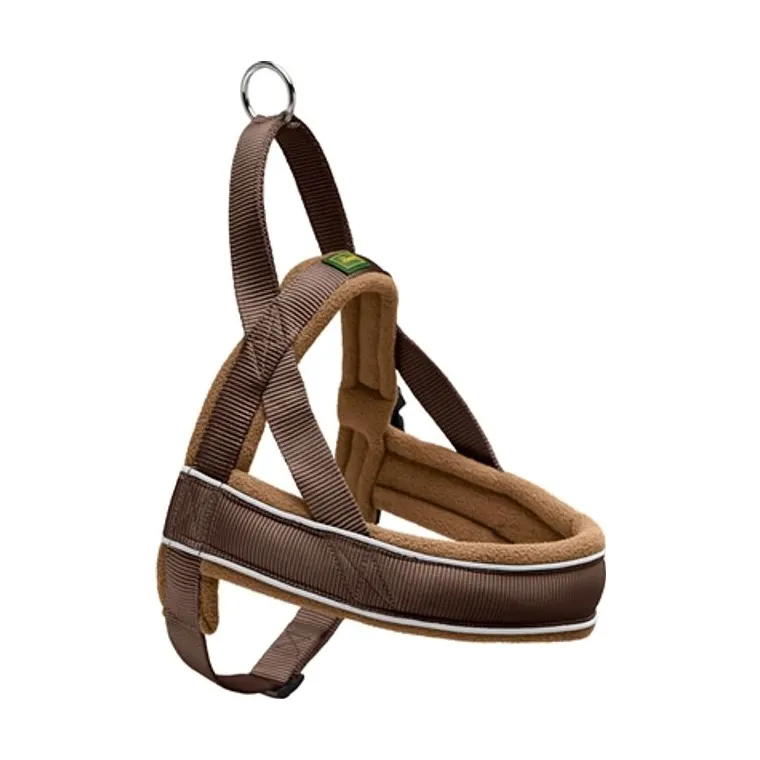
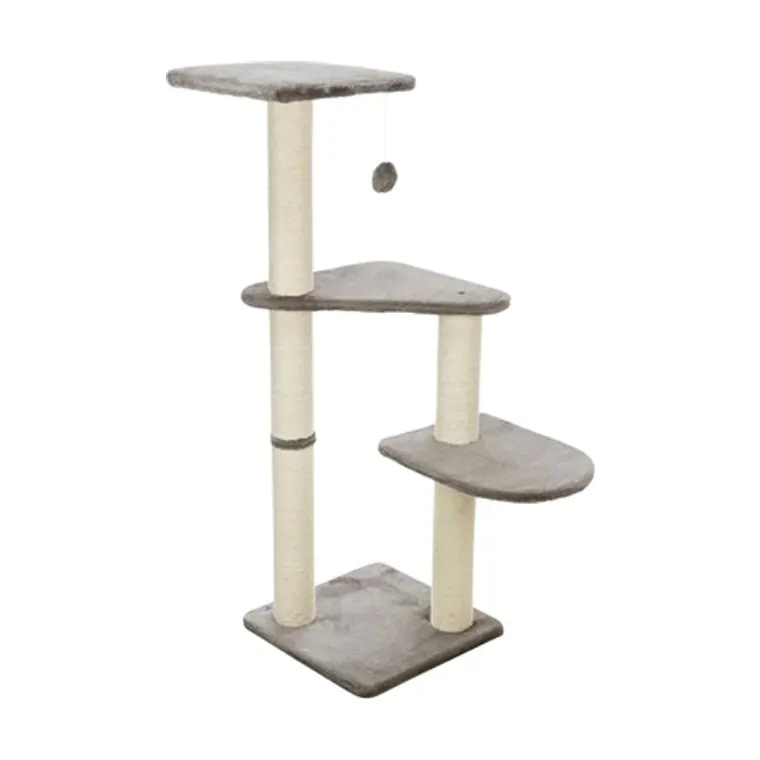
Against food, litter and vet bills, equipment is a small share of lifetime cost, which is exactly why the waste in it is so avoidable. The classic leaks are a harness bought on a small, medium or large label instead of a girth measurement, a wobbly scratching post the cat tries once and abandons, and a bed the dog outgrows in a season. Buying on measurements, choosing gear that adjusts at both neck and chest for a dog that is still growing, and picking one sturdy item per job instead of three cheap ones is the whole trick, and PDSA's own note that starter items need replacing as they wear out is a reminder that durability is a budget decision. One practical timing point: Pawkit orders ship from our fulfilment partner in the Netherlands, delivered in 1 to 2 working days in the Netherlands and 2 to 7 elsewhere in the EU, so a set-up order is still a job for the week before the animal arrives, not the night before. And check your town hall while you are budgeting. Dutch municipal dog tax is not charged everywhere, but where it is, LICG puts it at roughly €15 to €140 a year, a recurring line that never appears on any product page.
PDSA puts the minimum monthly cost at £69 for a small dog, £83 for a medium one and £116 for a large one, which works out at roughly £830 to £1,390 a year including insurance, routine vet care, food and toys. In the Netherlands, LICG budgets €710 a year in recurring costs for a dog, though its figure assumes dry food and excludes insurance. Neither number covers vet treatment for illness or injury.
PDSA estimates a minimum of £79 a month, about £950 a year, including insurance, food, litter and routine vet care, and at least £11,400 to £13,600 over a cat's whole life. LICG's Dutch estimate is higher at €1,270 a year because it budgets for a mix of wet and dry food plus litter and leaves insurance out. Vet fees for illness or injury are excluded from both.
That depends on your finances and your animal, but the claims data shows what is at stake: UK insurers paid out £1.23 billion in 2024 across 1.8 million claims, at an average of £685 each. An out-of-hours consultation alone runs to about €150 to €200 in the Netherlands before tests and medication. If you skip insurance, hold a dedicated savings pot instead, and if you insure, check the deductible and the exclusions rather than just the monthly premium.