Trixie
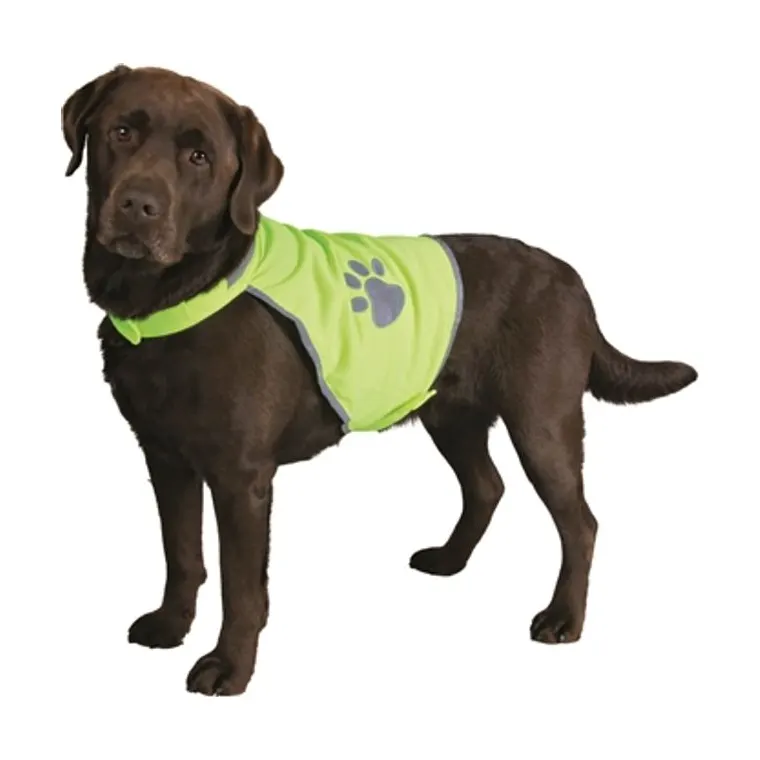
Trixie reflective safety vest, M 50-68 cm
In stock · 1 to 2 working days (NL) or 2 to 7 (EU)Buy 2: 5% off · 3 or more: 10% off€ 7.99
4 August 2026 · Product safety
4,671 dangerous-product alerts in one year, and pet gear is on the list: LED collars that catch fire, a cat laser that damages eyes, chews with banned dyes. What was recalled, what your rights are, and a two-minute check of the gear you already own.
Safety Gate is the EU's rapid alert system for dangerous non-food products: when a market-surveillance authority anywhere in the EU or EEA finds a product that poses a risk, the alert is shared with every other country and published for anyone to read. The figures for 2025, released by the European Commission in March 2026, set a record: 4,671 alerts, up 13% on the 4,137 of 2024 and the highest number since the system launched in 2003. Cosmetics were the most-flagged category at 36%, followed by toys (16%) and electrical appliances (11%), and chemical risks featured in 53% of notifications. Authorities backed the alerts with 5,794 follow-up actions: withdrawals, recalls, border stops and delistings: a 35% increase on the year before, and by the end of 2025 more than 1,200 online marketplaces had registered with the Commission's Safety Gate portal.
Pet gear is a small share of the alert database, but the recent entries are instructive because the same defect keeps returning. In 2026 Hungary withdrew a USB-rechargeable flashing dog collar whose lithium battery has no cell-temperature monitoring, so it can overheat and cause burns or a fire (alert SR/01965/26); a 2-in-1 pet grooming dryer was recalled from end users for the identical battery defect (SR/01392/26), and cordless pet clippers flagged the same year fail in the same way. Beyond batteries, Spain withdrew a cat laser toy whose beam measured up to 5.71 mW: powerful enough to damage sight (SR/00596/25); France recalled an anti-itch dog shampoo contaminated with yeast and Serratia bacteria at levels in the millions of CFU per gram (SR/03412/25); and a pet heating pad was rejected at the border because animals could bite through accessible wires and reach button batteries (SR/01077/25). The pattern is not that pet products are uniquely dangerous: it is that cheap rechargeable electronics and unbranded care products are where the risk concentrates.
Since 13 December 2024 the alerts have new legal teeth. The General Product Safety Regulation. Regulation (EU) 2023/988, replacing safety directives dating from 2001 and 1987: is the EU's catch-all safety law: it applies to any consumer product that no sector-specific EU law already covers, which is exactly the bucket everyday pet gear such as leashes, harnesses, beds, bowls and pet toys falls into (pet food and veterinary medicines have their own regimes). Its most practical change: a product may only be placed on the EU market if an economic operator established in the EU is responsible for it, and an online offer targeted at EU consumers counts as placing on the market: so a seller shipping from outside the EU cannot simply be unreachable. Online marketplaces must register with the Safety Gate portal and take down listings flagged as dangerous by authorities within two working days.
The GPSR also rewrote what a recall must look like from the consumer's side. Businesses must directly notify every affected customer they can identify, without undue delay, and where they cannot reach everyone they must publish a clear, visible recall notice. That notice must be headlined 'Product safety recall', describe the risk plainly, and may not use downplaying language such as 'voluntary' or 'precautionary'. The remedy must be effective, free of charge and timely, and you must normally be offered a choice between at least two of: repair, replacement with a safe equivalent, or a refund of at least the price you paid. Manufacturers are additionally required to report accidents caused by their products: deaths or serious harm: to national authorities via the Safety Business Gateway, so problems surface faster than under the old rules.
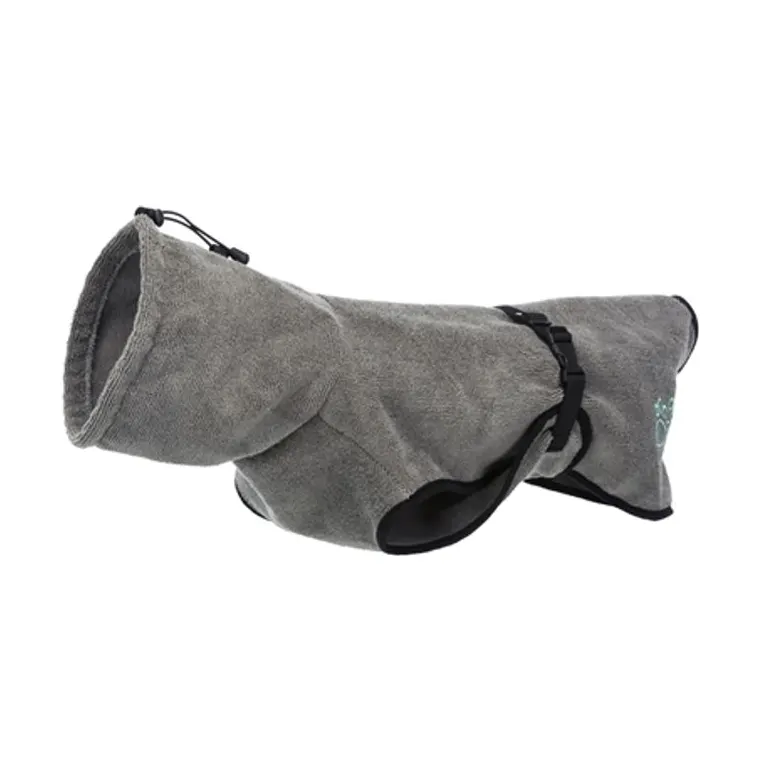
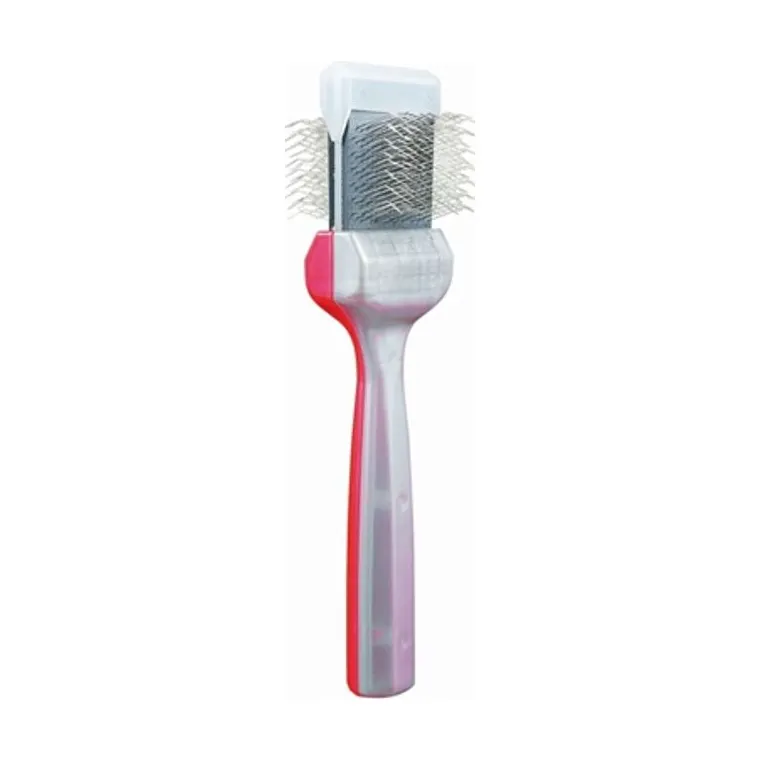
The Safety Gate database is public and free: you can search it by product type or country, and a weekly report of new alerts is published every Friday, with an email subscription you can filter to the categories you care about. When buying pet gear online, check that the listing names an EU-based responsible operator with a real address: under the GPSR that is a legal requirement, and its absence is the clearest red flag a listing can carry. Treat unbranded rechargeable pet electronics with particular caution: the recurring failure in recent pet-product alerts is a cheap lithium battery without temperature monitoring, so never leave a light-up collar charging unattended. And where passive gear does the same job, prefer it: reflective webbing keeps a dog visible with no battery at all, and a towel-style dog bathrobe or a simple grooming rake handles wet fur and loose undercoat without a motor or heating element anywhere near your pet.
Search the free Safety Gate database on the European Commission's website, which lists dangerous non-food products flagged by market-surveillance authorities in every EU and EEA country. A weekly report of new alerts is published every Friday, and you can subscribe by email with filters for specific product categories or countries.
Under the EU General Product Safety Regulation the business must offer an effective, cost-free and timely remedy: normally a choice between at least two of repair, replacement or a refund of at least the price you paid. Affected customers must be notified directly where the seller can identify them, and recall notices may not use downplaying wording such as 'voluntary' or 'precautionary'.
Yes. Since 13 December 2024 a product may only be placed on the EU market if an economic operator established in the EU is responsible for it, and an online offer targeted at EU consumers counts as placing on the market. Online marketplaces must also register with the Safety Gate portal and remove listings flagged as dangerous by authorities within two working days.