Calmer mealtimes: slow feeding, routine and food games
Some dogs inhale dinner in eleven seconds flat. Beyond the mess, speed-eating means swallowed air, and mealtime that's over before the brain noticed it happened. Slowing food down is one of the cheapest upgrades to a pet's day.
At a glance
| Product | Best for | Price | Warranty |
|---|---|---|---|
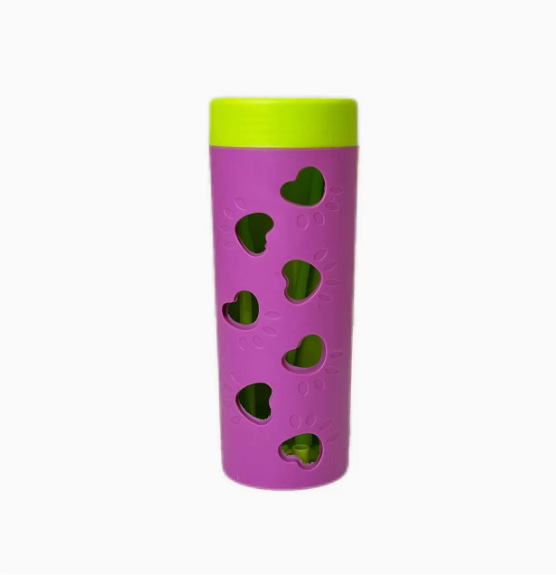
| Treat-Dispensing Puzzle Chew Toy | Real supplier stock — ships in 8–15 days | € 12.95 | 2 years |
| Folding Double Dog Bowl, Elevated & Adjustable | Real supplier stock — ships in 8–15 days | € 39.95 | 2 years |
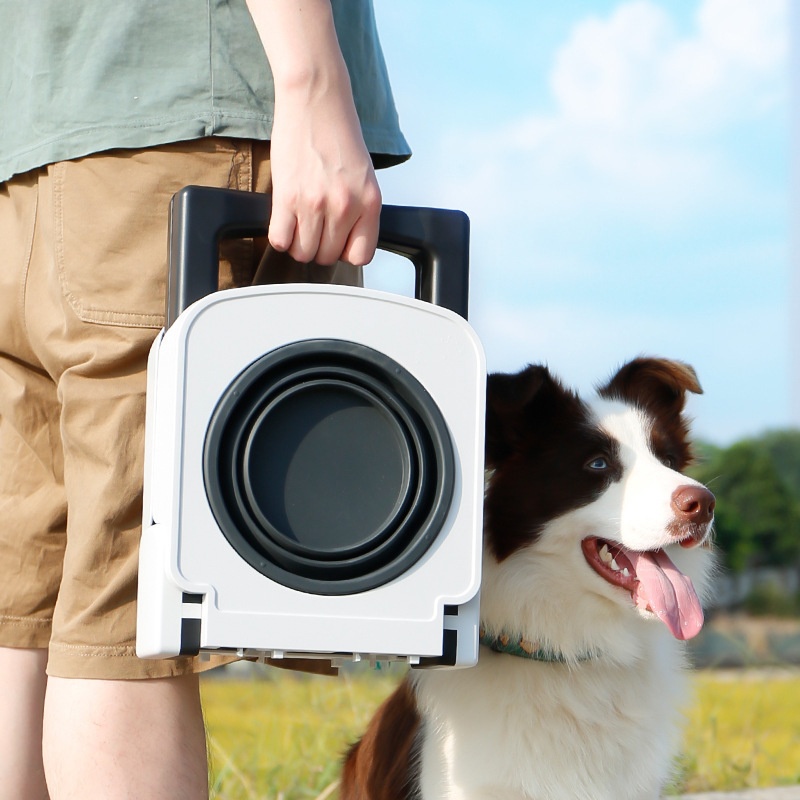
| Travel Pet Feeder Bowl | Real supplier stock — ships in 8–15 days | € 15.95 | 2 years |
Why gulping is worth fixing
Dogs that bolt their food swallow air along with it, which at minimum means burping and hiccups and at worst contributes to digestive discomfort. Fast eaters also finish a meal without any of the satisfaction of working for it — and then go looking for something else to do with their mouths, which is how counters get surfed and shoes get eaten. Slowing a meal from seconds to minutes fixes the air-gulping, stretches the satisfaction, and turns dinner into a small daily brain workout. For deep-chested breeds, your vet may have specific advice about feeding routines — worth a conversation at the next check-up; this guide is general, not veterinary, advice.
Slow feeders and food puzzles: dinner as work
A slow feeder is simply a bowl with obstacles — ridges and spirals the tongue has to work around. Most dogs take to one immediately, and mealtime stretches from under a minute to five or ten. Choose a pattern your dog can actually solve: frustration isn't the goal, effort is. A treat-dispensing puzzle toy does the same job between meals: load it with part of the daily ration and the dog spends twenty minutes working for what the bowl would have handed over in seconds. For cats, the same trick works — scatter-feeding or puzzle feeders satisfy hunting instincts that a full bowl quietly starves.
Height, stability and the double-bowl setup
Bowls that skate across the floor while the dog chases them teach fast, frantic eating. A stable setup — non-slip base or a stand — calms the whole ritual. For tall breeds and older dogs with neck or joint stiffness, a moderately elevated bowl brings food to a comfortable height so the dog isn't folding itself to the floor for every mouthful. The Folding Double Dog Bowl covers food and water side by side, adjusts in height, and folds away — a tidy permanent station at home. One rule: fresh water always available, at every age and season.
Routine beats free-feeding
Set mealtimes beat an always-full bowl for almost every dog and most cats: appetite becomes visible (the first sign of illness is often a skipped meal — you can't see it if food sits out all day), portions stay controlled, and the day gets predictable anchors that calm anxious animals. Feed at consistent times, remove what isn't eaten after twenty minutes, and split the ration across two meals for most adult dogs. On the road, keep the ritual: the same fold-out travel bowl at the same times makes hotel rooms and holiday homes feel like home to an animal whose world just changed shape.
FAQ
Why does my dog eat so fast?
Competition instinct (especially in multi-pet homes), history (rescues often learned scarcity), and plain habit. Feed separately from other pets, use a slow feeder, and split the day's food into two meals so no single meal carries all the excitement.
Do slow feeder bowls really work?
Yes — ridged bowls reliably stretch a meal from seconds to minutes, which reduces air-gulping and adds mental work. Pick a difficulty your dog can solve, and wash it as often as a normal bowl.
Should my dog's bowl be elevated?
For tall breeds and dogs with neck or joint stiffness, a moderately raised bowl makes eating visibly more comfortable. For deep-chested breeds, discuss feeding setup with your vet first — advice differs per dog.
Is free-feeding bad for cats?
Many cats overeat with an always-full bowl, and you lose the earliest illness signal: a skipped meal. Scheduled portions — ideally with a puzzle or scatter element that mimics hunting — keep weight and appetite visible.